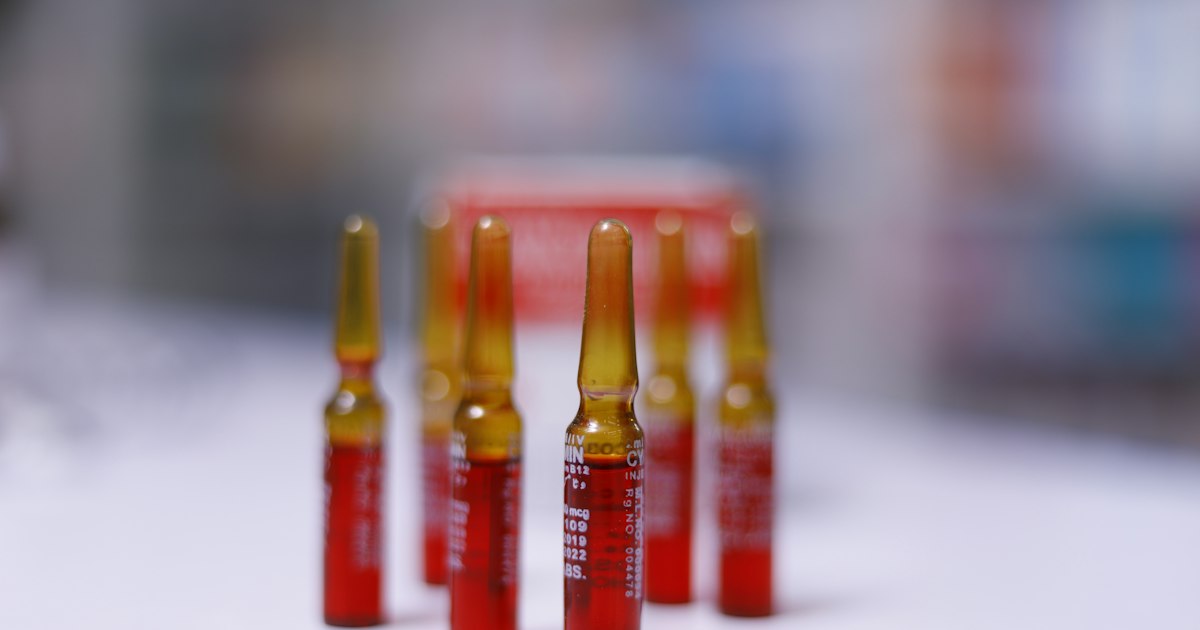
Ecdysterone for Bulking: Is It Worth It?

Ecdysterone (20-hydroxyecdysone) is marketed as a “plant-based alternative to anabolic steroids,” specifically for the bulking phase. Our editorial team looked into what lies behind these promises: how many controlled studies exist, what results they produced, and what role the supplement might play alongside a caloric surplus, protein, and progressive training.
What people expect from ecdysterone when bulking
The bulking phase is a stage in which an athlete deliberately consumes slightly more energy than they expend and trains with an emphasis on progressive overload. The logic is simple: to synthesize new muscle proteins, the body needs “building materials” and energy. Any supplement claiming the role of a “mass booster” must demonstrate additional gains in lean tissue specifically—beyond what nutrition and training already provide.
Ecdysterone belongs to the phytoecdysteroids—compounds that plants synthesize, probably to defend against insects. It is most abundant in maral root (Rhaponticum carthamoides), in cyathula root, in spinach and quinoa, although concentrations in food are small. The marketing rests on the fact that ecdysterone has a steroid skeleton and therefore supposedly acts “like an anabolic, but without side effects.”
Typical label promises: accelerated muscle growth, increased strength, better recovery, and a “cleaner” mass gain with a smaller share of fat. Some of these claims rely on cell and animal studies, some on a single human study that we will examine below. And some have no basis whatsoever.
It is important to understand the starting point: in people who are training for the first time or after a break, muscles grow quickly even without any supplements. That is why any subjective impression of “I gained on ecdysterone” is almost impossible to separate from the effect of the training itself, the caloric surplus, and the increase in glycogen and water stores in the muscles.
The evidence base: two key studies
The most frequently cited work is the study by Isenmann and colleagues (2019), carried out at the German Sport University in Cologne and the Free University of Berlin. Over 10 weeks, young men with training experience followed a strength program and received either a placebo or ecdysterone supplements. The authors reported greater gains in muscle mass and in the bench press in the ecdysterone groups.
The results were so striking that the authors themselves suggested that the World Anti-Doping Agency (WADA) consider adding ecdysterone to the prohibited list. Since 2020 the substance has been on WADA's Monitoring Program—meaning its use is being tracked, but it is not banned.
At the same time, the study has limitations: a small sample, a comparatively short duration, the use of commercial products whose composition had to be additionally verified, and the absence of independent replications with the same design. One positive study is grounds for further verification, not definitive proof.
Another study, by Wilborn and colleagues (2006), examined ecdysterone in trained men over 8 weeks and found no advantage over placebo in body composition, strength, or anabolic/catabolic hormones. So the picture is contradictory: one positive study, one neutral one, and between them different products, doses, and populations.
| Study | Participants and duration | Main result |
|---|---|---|
| Wilborn et al., 2006 | Trained men, 8 weeks | No advantage over placebo in body composition or strength |
| Isenmann et al., 2019 | Young men, 10 weeks of strength training | Greater gains in muscle mass and strength in the ecdysterone groups |
| Cell and animal studies | Myotube cultures, rodents | Increased protein synthesis, effects via the Akt pathway |
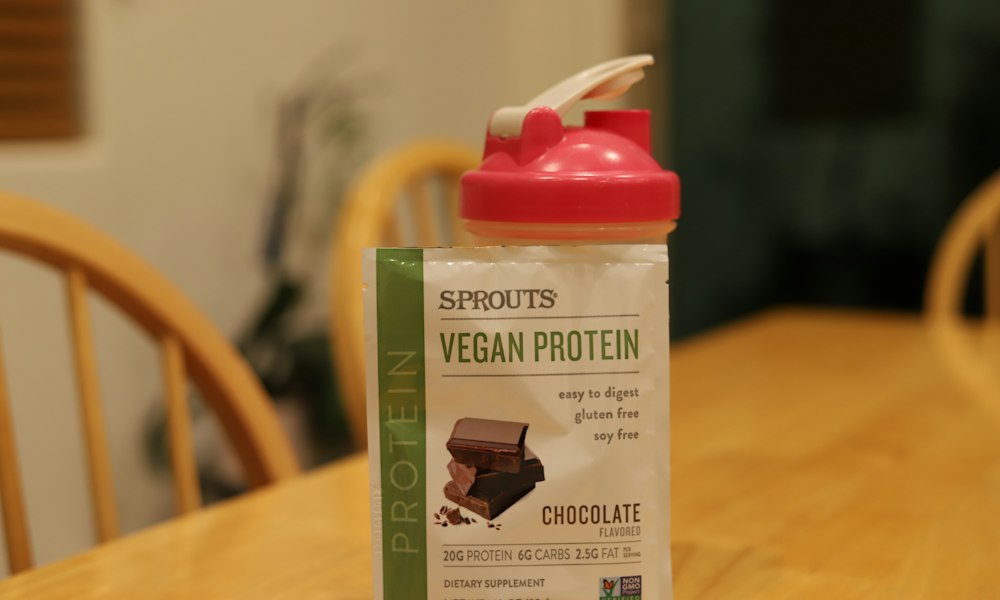
Mechanism: why it is not a “plant steroid”
Despite its steroid structure, ecdysterone does not bind to mammalian androgen receptors. This is a fundamental difference from testosterone and synthetic anabolics: there is no direct androgenic action, no suppression of the hypothalamic-pituitary-gonadal axis at the doses studied, and no aromatization into estrogens.
Work by Parr and colleagues (2014) in cells and animals showed that ecdysterone's hypertrophic effect is probably mediated by estrogen receptor beta (ERβ). Earlier, Gorelick-Feldman and colleagues (2008) demonstrated that phytoecdysteroids increase protein synthesis in muscle-cell cultures through the PI3K/Akt signaling pathway—the same one involved in the muscle's response to mechanical loading.
Another issue is bioavailability. Data, mostly from animal studies, indicate that with oral intake only a small fraction of ecdysterone reaches the bloodstream, and the substance itself is metabolized rapidly. This is one of the reasons why effective doses in humans have still not been established.
For bulking, a practical conclusion follows from this: ecdysterone, if it works at all, acts as a modulator of growth signals, not as a “hormone.” It cannot compensate for a lack of calories, protein, or training stimulus—it can only slightly enhance the response to stimuli that are already present.
The hierarchy of muscle-growth factors
To judge whether it makes sense to spend your budget on ecdysterone, it helps to set priorities. At the top is a training program with sufficient volume and progression. Next comes energy balance and total protein intake. Then sleep and recovery. Only after that come supplements, among which creatine monohydrate has the best evidence base.
In a narrative review by Iraki and colleagues (2019) on off-season nutrition, a moderate energy surplus is recommended to limit fat gain, along with protein intake of roughly 1.6–2.2 g per kilogram of body weight. A meta-analysis by Morton and colleagues (2018) showed that gains in lean mass from additional protein plateau at around 1.6 g/kg per day, with the upper bound of the confidence interval at approximately 2.2 g/kg.
If these basic conditions are not met, the effect of any supplement will be either imperceptible or “lost” in the noise. The reverse is also true: someone who has already optimized everything listed above may look for small additional gains—and it is precisely for that person that the question of ecdysterone becomes relevant.
Another argument in favor of the basic factors is cost. A monthly course of quality ecdysterone costs significantly more than creatine, and creatine's evidence base spans hundreds of studies, whereas ecdysterone's amounts to just a handful in humans.
Practical nuances and limitations
Ecdysterone is sold as a dietary supplement, not a medicine, so no standardized dose exists. In studies and on the market, products range from a few dozen to a few hundred milligrams per day. Our editorial team advises sticking to the dose stated by the manufacturer and not increasing it in hopes of a stronger effect—there are no data on dose-dependence in humans.
- Composition.Choose products that clearly state the amount of 20-hydroxyecdysone in milligrams, rather than just “maral root extract.”
- Duration.Studies used periods of 8–10 weeks; there are no long-term safety data.
- Assessing results.Record your body weight, measurements, and working weights before and after, otherwise the effect cannot be distinguished from ordinary progress.
- Athletes subject to doping control.The substance is on WADA's Monitoring Program; its status may change, so keep track of updates to the list.
Regarding safety: the Isenmann study found no changes in markers of liver and kidney function, and reviews by Lafont and Dinan describe the low toxicity of ecdysteroids in mammals. However, this does not amount to proven safety for all groups: pregnant women, breastfeeding women, people with hormone-dependent conditions, and those taking medications should first consult a doctor.
A separate risk is quality. Analytical testing of ecdysterone supplements has revealed discrepancies between the declared and actual content, and sports supplements in general can be contaminated with prohibited substances. For athletes, this is a matter not only of money but also of possible disqualification.
Editorial conclusions
Ecdysterone for bulking is a supplement with an interesting but still immature evidence base. There is one controlled study with a positive result and one with no effect, and its mechanism of action has been confirmed mainly in laboratory models.
If your training, calories, protein, and sleep are already dialed in, ecdysterone can be considered an experimental add-on with modest expectations. If not, the money is more effectively invested in food and creatine.
The supplement is neither a “plant steroid” nor, by definition, a pointless placebo. The most honest answer to the question “is it worth it” is this: possibly a small benefit, and only with a quality product and a proper foundation.
Our editorial team also recommends reading our materials “Turkesterone for Bulking: Is It Worth It,” “How to Choose a Quality Ecdysterone: What to Look for on the Label,” and “Ecdysterone and Sleep.”
References
- Isenmann E, Ambrosio G, Joseph JF, et al. Ecdysteroids as non-conventional anabolic agent: performance enhancement by ecdysterone supplementation in humans. Arch Toxicol. 2019;93(7):1807–1816.
- Wilborn CD, Taylor LW, Campbell BI, et al. Effects of methoxyisoflavone, ecdysterone, and sulfo-polysaccharide supplementation on training adaptations in resistance-trained males. J Int Soc Sports Nutr. 2006;3:19–27.
- Parr MK, Zhao P, Haupt O, et al. Estrogen receptor beta is involved in skeletal muscle hypertrophy induced by the phytoecdysteroid ecdysterone. Mol Nutr Food Res. 2014;58(9):1861–1872.
- Gorelick-Feldman J, MacLean D, Ilic N, et al. Phytoecdysteroids increase protein synthesis in skeletal muscle cells. J Agric Food Chem. 2008;56(10):3532–3537.
- Morton RW, Murphy KT, McKellar SR, et al. A systematic review, meta-analysis and meta-regression of the effect of protein supplementation on resistance training-induced gains in muscle mass and strength in healthy adults. Br J Sports Med. 2018;52(6):376–384.
- Iraki J, Fitschen P, Espinar S, Helms E. Nutrition recommendations for bulking in the off-season: a narrative review. Sports. 2019;7(7):154.
- Lafont R, Dinan L. Practical uses for ecdysteroids in mammals including humans: an update. J Insect Sci. 2003;3:7.
- World Anti-Doping Agency. The 2020 Monitoring Program. Montreal: WADA; 2020.
Andriy Melnyk
A strength-sports coach and author of programs for beginner and intermediate levels. Writes about training planning.