Telmisartan and athletic performance: is there an effect

In sports communities telmisartan is sometimes called "a sartan with a bonus": supposedly it not only lowers blood pressure but also improves endurance and metabolism. The source of these ideas is real experimental research, but its results are often transferred to humans without proper grounds. Our editorial team examined what is known about telmisartan’s effect on physical performance, what risks it poses for active people, and how anti-doping rules view it.
Where the idea of a "sports" sartan came from
The renin-angiotensin system is involved not only in regulating blood pressure but also in the processes of tissue remodeling, inflammation and fibrosis. Angiotensin II, via type 1 receptors, stimulates collagen formation and the production of transforming growth factor beta (TGF-β), which inhibits muscle regeneration.
Interest in the link between the RAS and physical capacity grew after the work of Montgomery and co-authors (Nature, 1998), who described an association of an ACE gene polymorphism with endurance in mountaineers and military personnel. Some subsequent studies later did not confirm these results, but the very idea that the RAS could affect performance took hold.
Another source of interest was the work of Cohn and co-authors (Nature Medicine, 2007), where the AT1-receptor blocker losartan improved muscle regeneration in mouse models of myopathy by suppressing TGF-β signaling. This gave rise to the hypothesis that sartans could also help with sports injuries.
Finally, for telmisartan an argument about the nuclear receptors PPAR was added. The partial activation of PPAR-gamma, described in 2004, and later reports of an effect on PPAR-delta, made the drug interesting as a potential "exercise mimetic".
What animal studies have shown
The most frequently cited work is the study by Feng and co-authors (Journal of Cellular and Molecular Medicine, 2011). In mice, telmisartan increased the proportion of slow oxidative muscle fibers, raised mitochondrial content and prolonged treadmill running time. The authors linked these effects to activation of the PPAR-delta/AMPK signaling pathway.
Interestingly, in mice lacking a working PPAR-delta gene in their muscles the effect disappeared. This confirmed that the point was not merely the blockade of angiotensin receptors but a specific property of the telmisartan molecule.
Other experimental works reported a reduction in fat-tissue mass, improved insulin sensitivity and reduced inflammation in animals on a high-calorie diet. These data are consistent with the hypothesis of the drug’s metabolic benefits.
However, in preclinical studies the doses per unit of body weight often differ from medical ones, the observation period is short, and mice have a different metabolism and a different muscle structure. The history of pharmacology contains many examples where convincing results in rodents were not reproduced in humans.
Data in humans: blood pressure, metabolism, performance
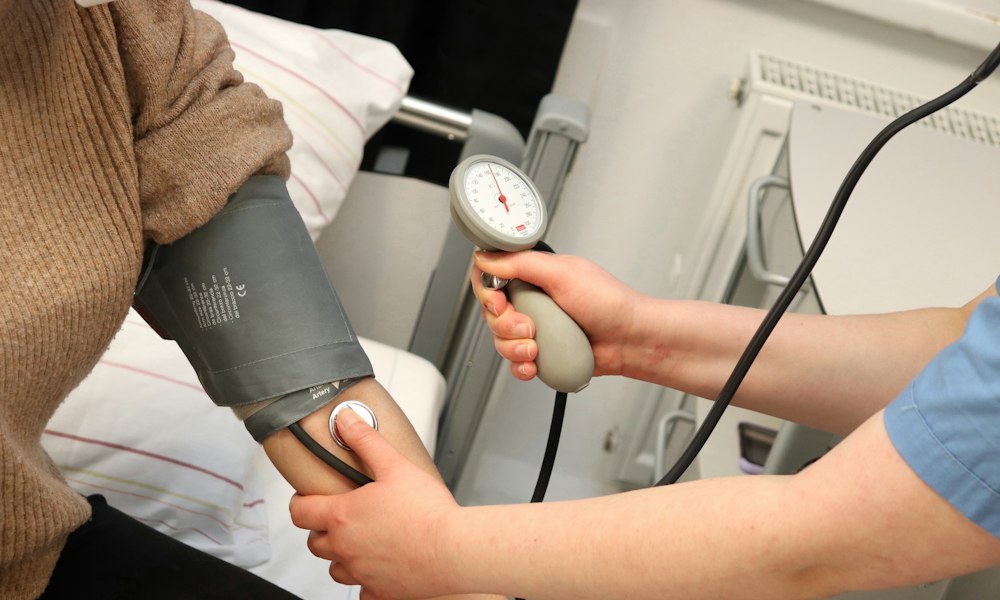
In humans, one effect has been convincingly proven — a stable 24-hour reduction in blood pressure and the associated reduction in cardiovascular risk (the ONTARGET study). This is the main and, in essence, the only confirmed "benefit" of the drug.
Metabolic effects in humans are moderate. A number of small studies have shown a slight improvement in insulin-sensitivity measures and in the lipid profile compared with other sartans, but the results are inconsistent and the clinical significance of these changes has not been established.
There are practically no randomized controlled trials in open sources that assess the effect of telmisartan on maximal oxygen uptake, endurance, strength or speed in healthy trained people. Therefore, the claim of an "ergogenic" effect of the drug in humans has no scientific basis.
Lowering blood pressure by itself does not improve athletic performance in a healthy person. On the contrary, during exercise blood pressure and cardiac output should rise to supply the muscles with oxygen. In people with arterial hypertension, blood-pressure control is important for health, but this is the treatment of a disease, not an increase in performance.
| Claim | What is actually the case | Verdict |
|---|---|---|
| "Telmisartan increases endurance" | Shown in mice; no data in humans | Not proven |
| "Burns fat via PPAR" | Experimental data, moderate effects in humans | Exaggerated |
| "Protects the athlete’s heart" | Lowers blood pressure and risk in hypertension | Only in the presence of disease |
| "Speeds up injury healing" | Models of myopathy in animals | Not proven |
| "Safe for everyone" | Has contraindications and risks | Incorrect |
Risks for people who train
The main practical risk is hypotension. After training the muscle vessels are dilated, and in the heat fluid losses through sweat are added. Blockade of the RAS weakens the body’s compensatory mechanisms, so people who take telmisartan as prescribed more often experience dizziness on standing up quickly or after intense exertion.
The second risk is kidney impairment against a background of dehydration. Prolonged endurance competitions, "cutting" before competitions with fluid restriction, sauna use to shed weight, taking NSAIDs for pain — all of this, together with a RAS blocker, can cause an acute deterioration in kidney function.
The third aspect is potassium. Intense exertion temporarily raises blood potassium as it leaves the muscle cells. In combination with a drug that reduces potassium excretion, as well as with sports drinks or supplements rich in potassium, this can matter for people with reduced kidney function.
Separately, a word about people whose blood pressure rises as a result of using anabolic steroids or stimulants. Self-directed use of antihypertensive drugs in such a situation masks the problem but does not remove its cause: myocardial hypertrophy, lipid-profile disturbances and erythrocytosis. The right path is examination by a cardiologist and stopping the substances that caused the hypertension.
- Do not train intensely in the heat without adequate hydration.
- Inform your doctor about regular use of NSAIDs and potassium supplements.
- Avoid abrupt changes of body position after training if you are prone to dizziness.
Anti-doping status
Angiotensin receptor blockers, including telmisartan, are not on the Prohibited List of the World Anti-Doping Agency (WADA). Athletes with arterial hypertension may use the drug as prescribed by a doctor without obtaining a therapeutic use exemption.
An important nuance concerns combination drugs. Telmisartan is often produced in a fixed combination with hydrochlorothiazide. Diuretics belong to class S5 ("Diuretics and masking agents") and are prohibited both in and out of competition. An athlete who takes such a combination without a therapeutic use exemption risks an anti-doping rule violation.
Combinations of telmisartan with amlodipine have no anti-doping restrictions, since calcium antagonists are also not prohibited. However, before using any drug, athletes subject to testing should check the current version of the Prohibited List, since it is updated every year.
It is also important to understand that a drug’s presence on the list of permitted substances does not mean it is "beneficial" for sport — only that its use does not break the rules.
Editorial conclusions
The notion of telmisartan as a means of increasing endurance rests on studies in mice. In humans there are no convincing data on improved athletic performance.
For active people with hypertension the drug may be a good choice, but it requires attention to hydration, interaction with NSAIDs and the risk of hypotension after exertion.
Telmisartan itself is not banned by WADA, but its combinations with hydrochlorothiazide fall under the ban as diuretics.
On this topic we also recommend the articles "The history of Telmisartan", "Nebivolol and athletic performance: is there an effect" and "Tests while taking Telmisartan".
References
- Feng X, Luo Z, Ma L, et al. Angiotensin II receptor blocker telmisartan enhances running endurance of skeletal muscle through activation of the PPAR-δ/AMPK pathway. J Cell Mol Med. 2011;15(7):1572–1581.
- Benson SC, Pershadsingh HA, Ho CI, et al. Identification of telmisartan as a unique angiotensin II receptor antagonist with selective PPARgamma-modulating activity. Hypertension. 2004;43(5):993–1002.
- Cohn RD, van Erp C, Habashi JP, et al. Angiotensin II type 1 receptor blockade attenuates TGF-beta-induced failure of muscle regeneration in multiple myopathic states. Nat Med. 2007;13(2):204–210.
- Montgomery HE, Marshall R, Hemingway H, et al. Human gene for physical performance. Nature. 1998;393(6682):221–222.
- ONTARGET Investigators; Yusuf S, Teo KK, Pogue J, et al. Telmisartan, ramipril, or both in patients at high risk for vascular events. N Engl J Med. 2008;358(15):1547–1559.
- World Anti-Doping Agency. The World Anti-Doping Code International Standard: Prohibited List. Montreal: WADA; оновлюється щороку.
- Pelliccia A, Sharma S, Gati S, et al. 2020 ESC Guidelines on sports cardiology and exercise in patients with cardiovascular disease. Eur Heart J. 2021;42(1):17–96.
Andriy Melnyk
A strength-sports coach and author of programs for beginner and intermediate levels. Writes about training planning.